Fortificant Suppliers: Hidden Hunger’s Unsung Hero?
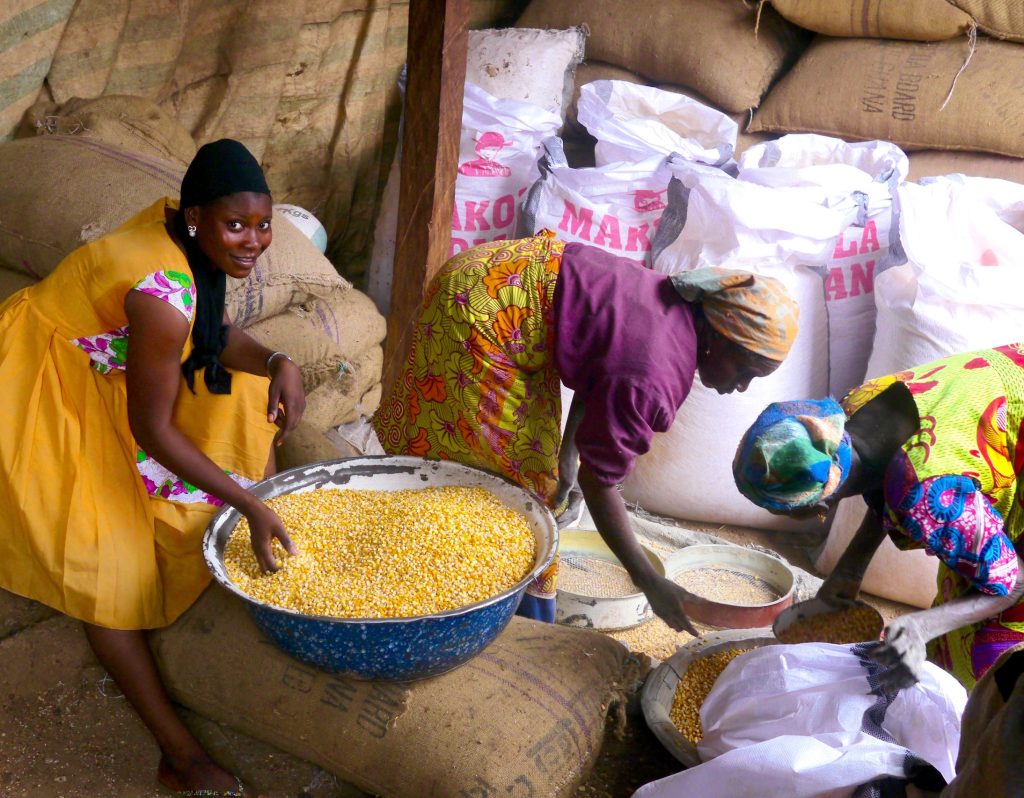
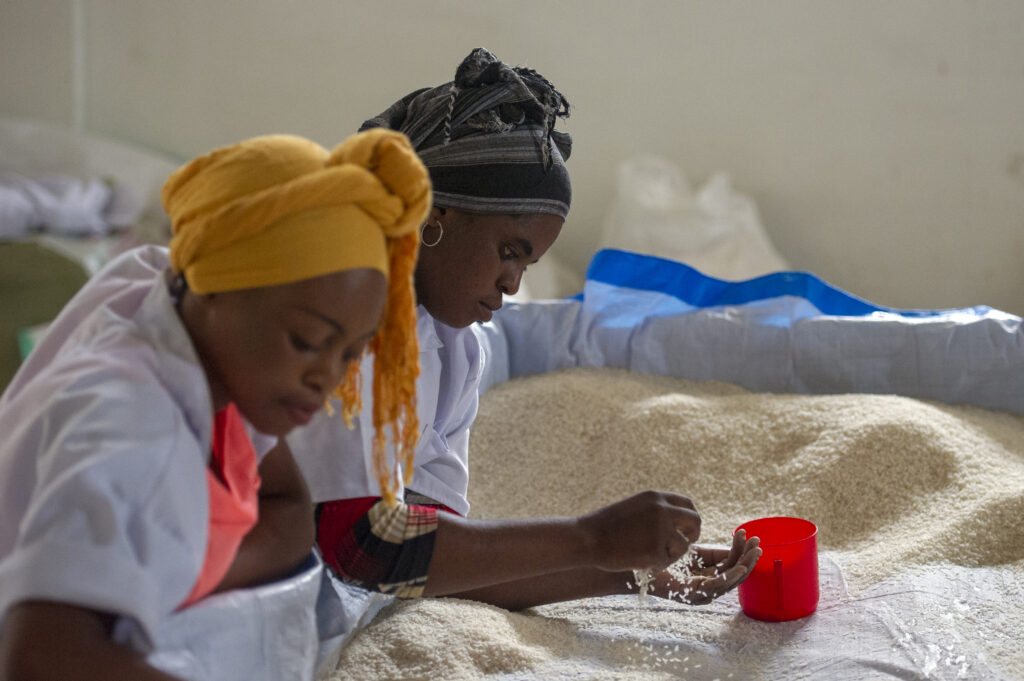
17 September 2025Around the world, billions of people still face micronutrient deficiencies—often called “hidden hunger”. Fortifying staple foods and condiments with essential vitamins and minerals has long been recognized as one of the most cost-effective development solutions. Yet, while food producers often take the spotlight, the companies supplying the micronutrients—the fortificant suppliers—form the backbone of the fortification value chain.
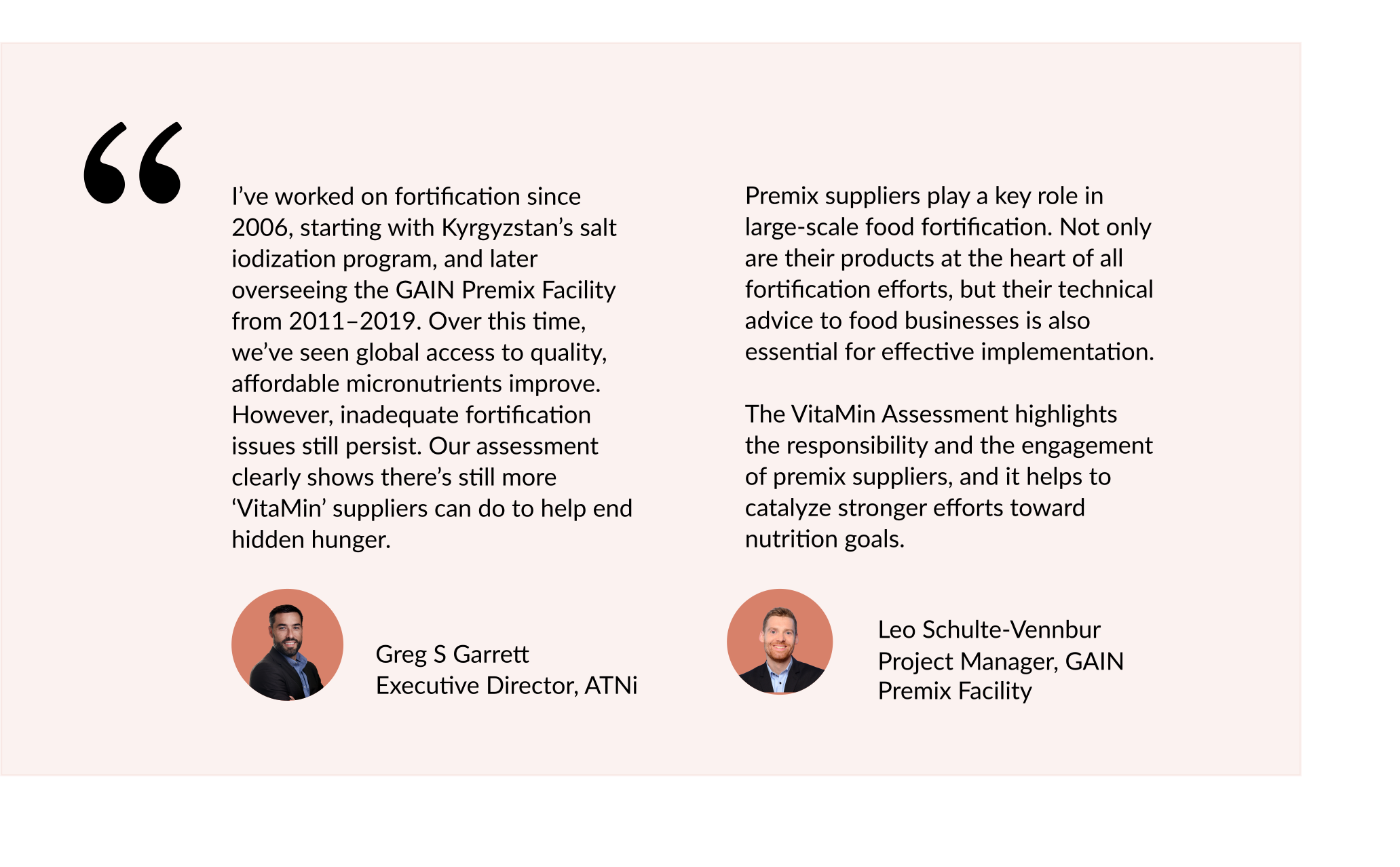
ATNi’s new VitaMin Assessment brings these often-overlooked actors into focus, underscoring their pivotal role in shaping fortification practices, partnerships, and ultimately nutrition outcomes.
To date, much of the nutrition accountability conversation has centred on consumer-facing food and beverage companies. But behind the scenes, a small number of global suppliers provide the essential inputs that make fortification possible. Their influence extends well beyond producing vitamins and minerals and mixtures of these or premixes: they also advise food companies, engage with distributors, support millers, and partner with governments and development agencies. For the private sector to meaningfully advance the nutrition agenda, consensus is needed on the role and expected or potential performance of fortificant suppliers, alongside clearer insights into their current practices. That’s the gap the VitaMin Premix Supplier Assessment seeks to fill.
The VitaMin Assessment is the first-ever evaluation of nutrition-related commitments and practices among 11 of the world’s largest fortificant suppliers (single micronutrient and premix). Its aims are threefold:
- Highlight positive practices that others can emulate, including insights from country deep dives in India and Kenya.
- Identify opportunities to elevate the role of these business-to-business (B2B) actors towards nutrition sensitive food systems transformation.
- Provide actionable recommendations to strengthen accountability and transparency across the sector.
Data from this first of its kind assessment offers a new lens for engaging fortificant suppliers, investors, policymakers, and food manufacturers in advancing fortification for improved nutrition outcomes.
The VitaMin Assessment is more than an evaluation—it is a call to action. By revealing both good practices and gaps, it encourages:
- Companies to use their leverage towards more nutrition sensitive and responsible value chains
- Investors to channel capital responsibly towards impactful practices,
- Governments to create enabling environments for adequate fortification.
Ultimately, fortificant suppliers can act as powerful catalysts in the fight of hidden hunger, ensuring that fortified foods reach more people with consistent quality and impact.
Tune in to the official launch, September 30!
ATNi will continue to engage with fortificant suppliers and stakeholders to drive transparency, accountability, and innovation. We invite food industry leaders, investors, policymakers, and development partners to use the VitaMin Assessment as a springboard for collaboration and dialogue.
Together, we can unlock the full potential of food fortification and accelerate progress toward better nutrition for all.