
A Market Fit for Healthy, Sustainable Foods: A 2025 Review and Look into 2026 and Beyond
18 December 2025From crises to opportunity, from global to local, below is a recap of 2025 and a look into what 2026 has in store for ATNi (Access to Nutrition initiative) and its partners as we shape markets for healthier and more sustainable foods for all.
In 2025, there was an unprecedented cut in public funding for nutrition and development assistance, the negative consequences of which will be felt for years. However, in the midst of every crisis lies opportunity. That opportunity—as we see it at ATNi—is the growing focus among many to design and deliver solutions that improve food environments and support access to healthier diets by leveraging private finance, market incentives, regulations, and industry innovation.
To this end, ATNi and partners delivered four important initiatives in 2025:
- Mobilizing private sector commitments and engaging industry for Nutrition for Growth (N4G)
- Spearheading responsible investments with new nutrition standards and metrics
- Launching national level accountability tools via the first-ever East Africa Market Assessment
- Enhancing market understanding via the Pricing Analysis of countries of varying income level
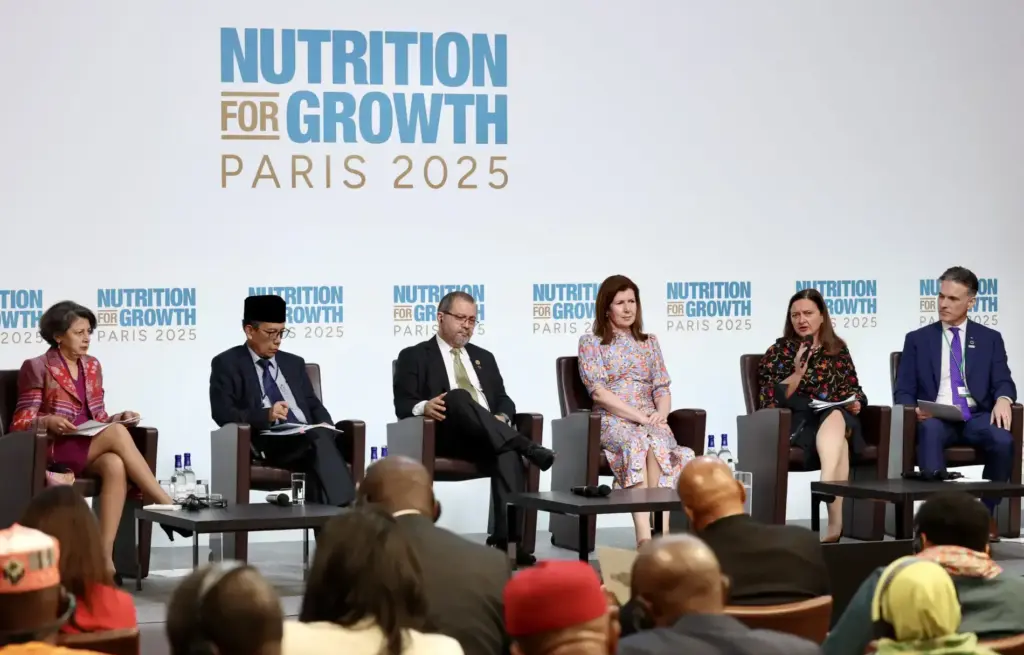

In March, ATNi served as co-chair of the Nutrition for Growth (N4G) Private Sector Working Group—an accountability mechanism that supported the mobilization of private sector commitments for N4G, a global summit convened by the Government of France, helping place nutrition at the centre of achieving the Sustainable Development Goals. This led to two important outputs.
The first, The Paris Declaration on Business & Nutrition 2030, established a shared vision among over two dozen partners for transforming food systems to support access to healthier diets, by realigning business incentives and investments.
The second was the new commitment among seven global investment firms, who together manage over USD 1 trillion in assets under management, to require disclosures from 23 of the largest food and beverage manufacturers on the overall healthiness of their product portfolios using government-endorsed nutrient profile models.
Second, in March and April, ATNi improved alignment on nutrition standards and metrics to improve corporate reporting on nutrition. ATNi was proud to secure a victory for nutrition and markets in March 2025 when S&P Global announced that food companies participating in their Corporate Sustainability Assessment must report on health and nutrition using indicators from ATNi’s framework.
This announcement immediately incentivized several of the world’s largest food companies to improve their reporting on nutrition in line with ATNi metrics. Nutrition is increasingly seen as a “material” topic for investors and corporates, not just in high income countries but also now in countries with small but growing stock exchanges.

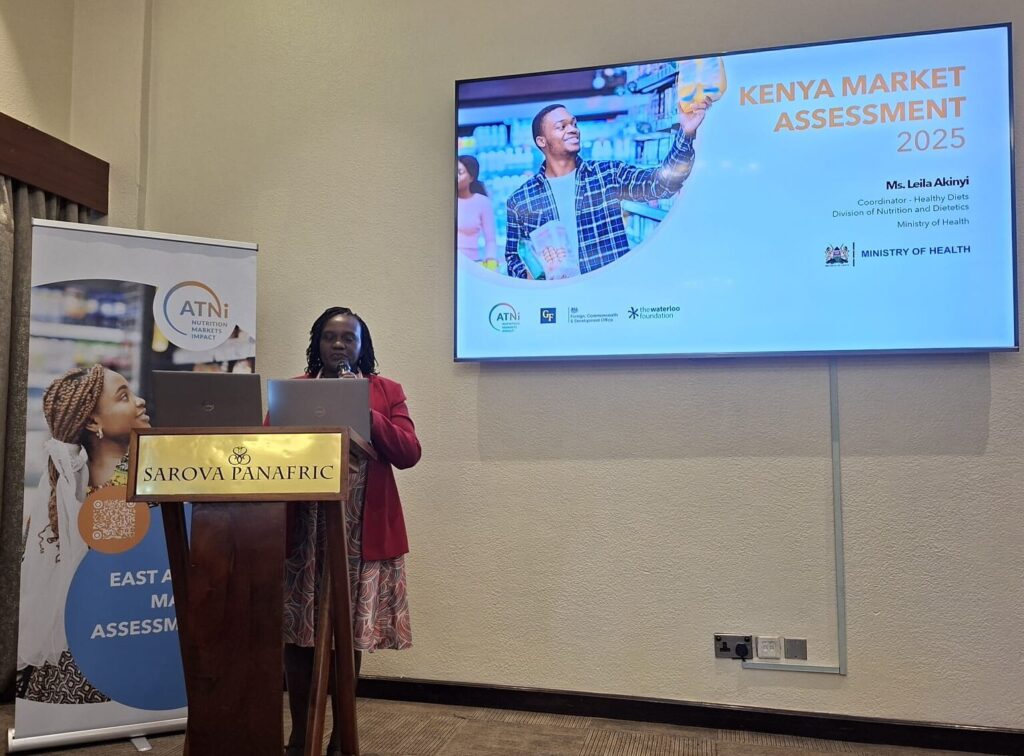
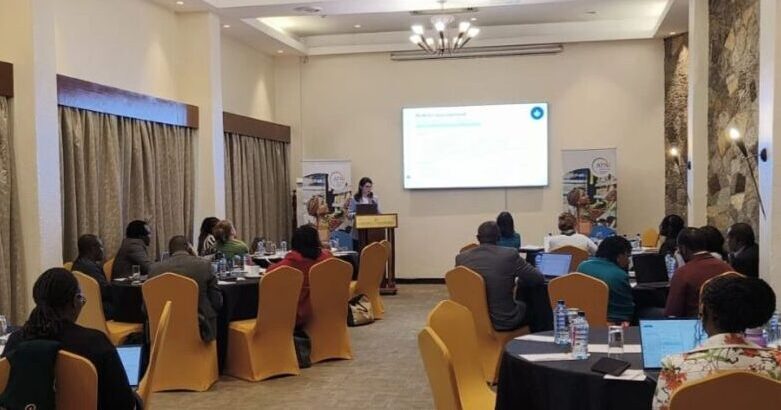
In July, ATNi launched the first-ever East Africa Market Assessment analyzing data and products from the region. For Kenya, we looked at 57% of the packaged food environment. The analysis revealed that 90% of packaged foods in Kenya would require one or more warning labels according to the new Kenyan nutrient profile model (NPM). The launch of the report in Nairobi prompted immediate follow-up from the Kenyan government, who urgently requested a full briefing at the level of the Prime Cabinet Secretary. This analysis is being used for continued engagement with companies to improve the healthiness of their product portfolios, and by the government to support effective policies to improve the Kenyan food environment.
In early 2026, ATNi will launch the Kenya Retail Assessment, assessing the healthiness of own-brand products from the three largest retailers using the Kenyan NPM. Altogether, these assessments create a more complete picture of the healthiness of processed and packaged foods sold in Kenya.
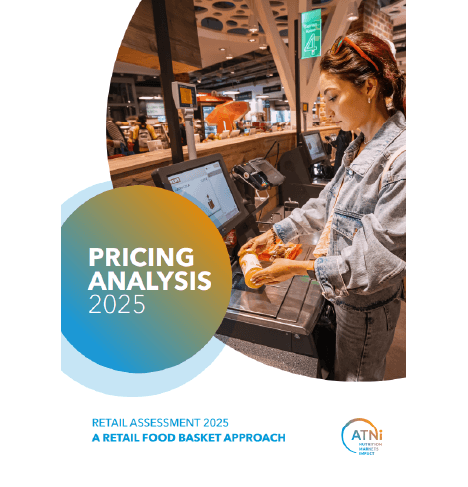
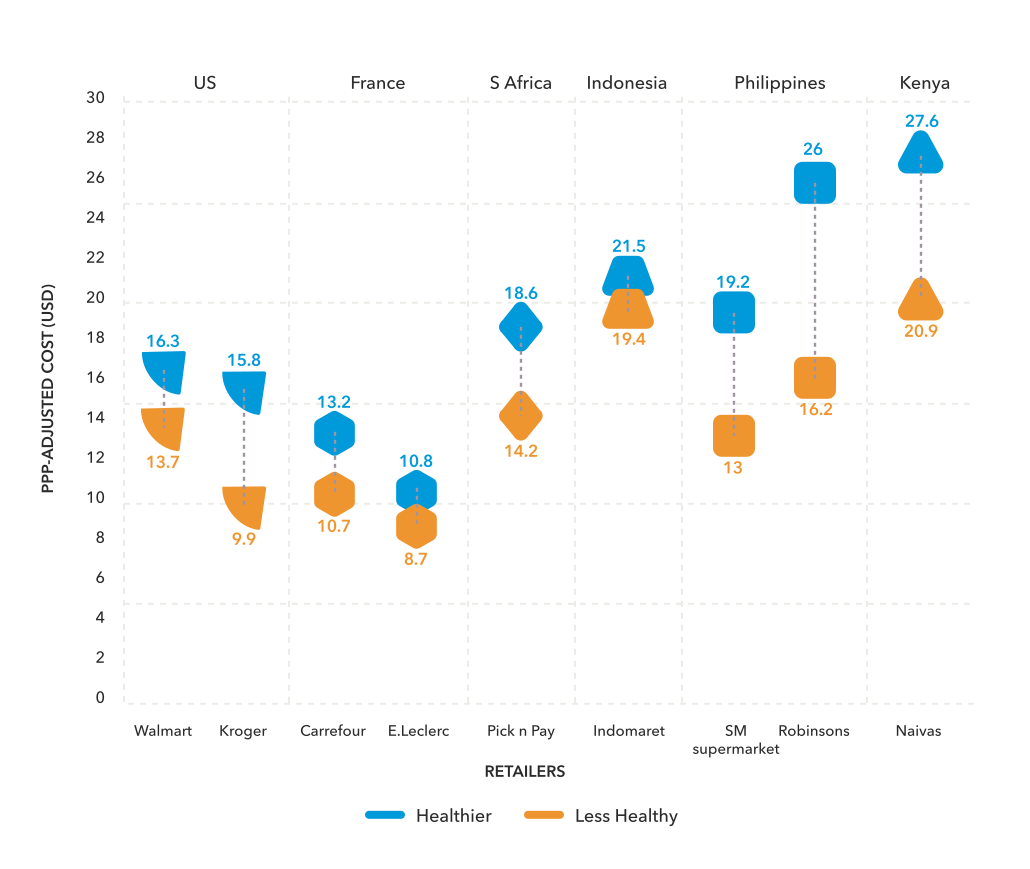
Lastly, in November, as part of ATNi’s 2025 Global Retail Assessment, ATNi took a novel retail food basket approach aligned with the EAT-Lancet reference diet to analyze the price of foods in six countries with varying income levels— United States, France, South Africa, Indonesia, Philippines, and Kenya. Healthier food baskets were consistently more expensive, with cost differences ranging from 10.8% to 60.6%. The lowest cost healthier food basket was observed in France, while the highest was in Kenya. While these findings reflect the relative importance of the formal retail sector, they also highlight the need for countries to roll out effective fiscal measures which make the healthier food basket the more affordable option. In addition, regulatory authorities and researchers must collaborate to embed price monitoring data into policy frameworks.
The silver lining of 2025’s nutrition funding crisis was the open door to work on market-shaping solutions that create healthier food environments.
However, there is significant work ahead to strengthen the business case, align regulations and incentives, and shape markets to create food environments where healthier foods are affordable and accessible to all.
2026 and beyond: Driving transformation globally and locally
One of ATNi’s most important learnings from the past 12 years is that sustainable change usually happens at the national level. The basic rules of the market that govern the actions of all national actors—governments, investors, businesses, consumers—must facilitate nutritious, sustainable food that is not only available but affordable, desirable, and accessible. ATNi believes markets will change through coordinated action with governments and CSOs at the national level.
In 2026 and beyond, we will prioritize national accountability and the adaptation of our tools and methods to improve private sector engagement,
accountability, and actions, creating data and insights which can be used by those making national policies.
We will invest in the design of a multi-country, multi-year programme of support to countries. This includes adapting our flagship—the Global Access to Nutrition Index—so that it remains useful for global investors while also enhancing its utility for a select group of countries to monitor progress of large (national and international) food manufacturers and retailers. We will work with relevant partner(s) in priority countries, adapting ATNi’s methodology for national realities, transferring parts of ATNi’s methodology to partners, and developing programs of support for national assessments.
ATNi’s aim in 2026 and beyond is to ensure that nutrition is no longer seen as a constraint to business but as a market opportunity that strengthens economies and improves business, but most importantly, improves health outcomes.
ATNi thanks its partners and donors for their continued engagement and support towards this goal.