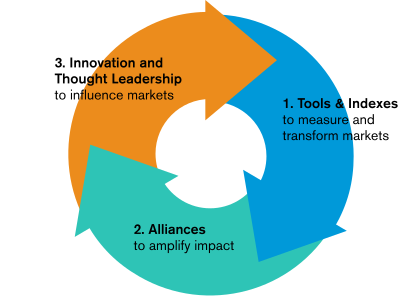


Our Impact
ATNi works closely with other stakeholders including companies, investors, policy makers and consumer groups, to reshape the world’s food systems.
Our Approach
We design, produce and deliver robust research, we partner with other like-minded organisations, and we innovate and communicate to influence.
Our impact is also focused on three levels:
- Systems level – driving markets to empower access to affordable and healthy diets.
- Product level – ensuring half of companies’ food & beverage sales are derived from ‘healthy’ products.
- Population level – reducing the prevalence of diet related diseases and improving health for all.
Take a look at our reach



What we do
ATNi’s strategic goal is to transform markets, so that by 2030, at least half of food and beverage companies’ sales come from healthier products that contribute to healthy, sustainable diets for everyone.
ATNi actively challenges the food industry, investors and policymakers to shape healthier food systems. We analyse and translate data into actionable insights, driving finance, partnerships and innovations for market transformation so that all people have access to nutritious and sustainable food.
Read about how we work
Impact Indicators
In 2013, ATNi was founded as a not-for-profit organization to improve nutrition around the globe by assessing the private sector and driving companies to improve access to nutritious and affordable food. Since then, we have worked tirelessly to measure performance and to push for improvement and change. We are proud of the progress made in areas such as marketing to children, but we are pushing for more.

Theory of Change
ATNi’s approach to market transformation is mapped through our theory of change.
2023 saw the launch of an updated strategy and Theory of Change. The five-year strategy will see ATNi continuing to publish its flagship indexes while doubling down on its efforts to engage investors, policy makers and other levers of positive change to speed up progress towards sustained market transformation.