


Beyond the Data: Insights into Young Child Feeding from Two Kenyan Mothers and Researchers
17 November 2026This blog is based on an interview with Grace Waweru, Nutrition Researcher based in Kiambu County, mother of one, and Celestina Mutai, Nutritionist and Researcher based in Nairobi, mother of three. Both served as enumerators for ATNi’s Healthy Starts 2026 assessment, where they contributed to over 600 interviews with caregivers on dietary intake of young children in Kenya. Thanks for generously sharing your time, stories and insights, Grace and Celestina.
“Mothers want the best for their children. They are ready to do anything possible to ensure that their children are eating healthy.” — Grace Waweru
When Grace and Celestina set out to interview caregivers across Nairobi and Makueni county in Kenya, they were looking for answers about what caregivers feed children aged 6 to 36 months and the factors influencing feeding decisions.
However, in between the structured interview questions, weighing ingredients, and documenting what was prepared and served in the previous 24-hours, they also found themselves in the company of wonderful mothers, fully immersed in a new home and reality. They came away with more than data, and it painted a more nuanced story.
To better understand the experiences behind the research, I spoke with Grace and Celestina about their conversations with caregivers, key insights and takeaways, and what surprised them along the way.

For Grace and Celestina, this research mattered both personally and professionally. Neither had focused on commercial complementary foods before the Healthy Starts project. However, both mentioned an awareness of how quickly Kenya’s food environment is changing.
Building on previous work on homemade foods and traditional feeding practices, Celestina conveyed the importance of understanding which foods are becoming part of children’s diets:
“Because of where the world is going, we are mostly taking processed foods. So we really have to understand now the foods that we are feeding our children.”
Grace also pointed to broader social changes influencing how families feed young children:
“Because of changing dynamics, nowadays so many women are working and they have access to these foods.”
Their reflections echoed what emerged throughout the study: Kenya is changing. Urbanisation, busy work schedules, and shifting lifestyles are affecting how families feed their children. In many urban households, caregivers are juggling multiple responsibilities and looking for convenient feeding solutions.
As working mothers themselves, they understand this balancing act all too well. Commercial foods are increasingly available and can offer a practical option when time is limited. Despite the growing presence of commercial products, homemade foods still remain the foundation of complementary feeding for most Kenyan families.
Findings that challenged expectations
One of the findings that surprised Grace and Celestina was caregivers’ attitudes towards commercial foods. They had expected caregivers to be highly sceptical of commercial foods because of concerns about food safety and the perception that processed products contain too many “chemicals”, such as additives and preservatives.
However, their conversations suggested that distrust was not the main issue. Caregivers were not rejecting commercial foods because they feared them. Instead, many simply did not see a reason to replace locally available whole foods, which they believed to be more nutritious, with expensive commercial complementary foods.
As Celestina explained:
“They were wondering, why should I buy a strawberry in a pouch when I can go and get an orange just outside my door?”
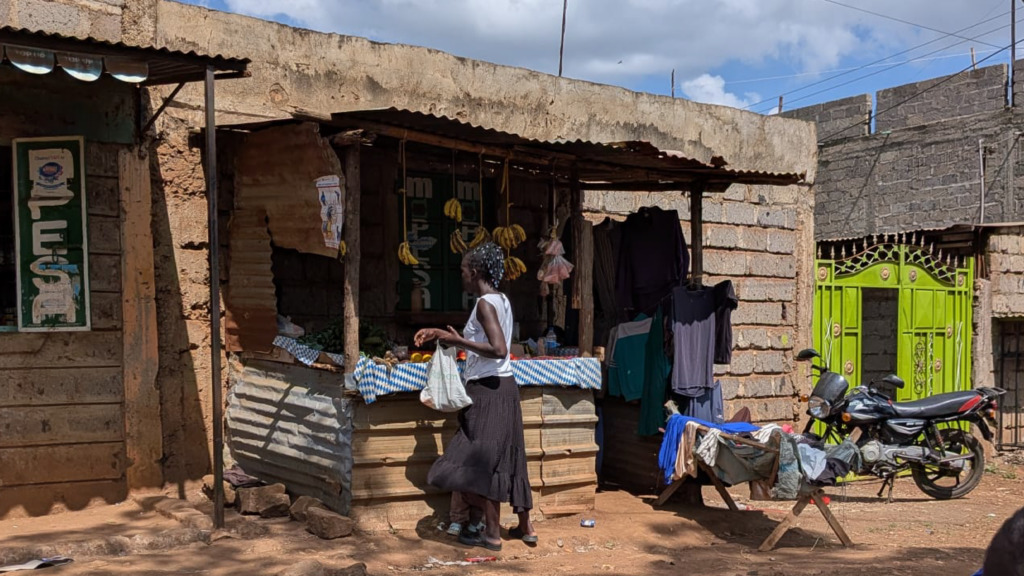
Another finding that stood out was how differently caregivers viewed various types of commercial complementary foods. Grace and Celestina had expected commercial products to be perceived as a single category. Instead, caregivers drew a clear distinction between locally produced commercial porridge flours and ready-to-eat products such as fruit purées, many of which were imported and contained ingredients that felt unfamiliar.
Commercial porridge flours were generally viewed positively. Caregivers often associated them with good nutrition because they are fortified with vitamins and minerals and frequently mentioned during complementary feeding counselling at healthcare facilities. Some also considered commercially produced flours safer than flour milled, stored and prepared at home, which increased their confidence in these products.
Rather than making a simple distinction between commercial and homemade foods, caregivers appeared to weigh different products based on factors such as perceived safety, nutritional value, level of processing and the availability of local alternatives. For Grace and Celestina, this highlighted the nuanced and thoughtful ways in which families navigate feeding decisions.
The research also reinforced how much access to resources shape caregivers’ choices and experiences. Many caregivers already know what they need to do and are willing to do the right thing for their children in terms of nutrition, but families often face barriers that make healthy feeding difficult.
Travelling to remote communities highlighted that feeding advice cannot be separated from people’s circumstances. In Makueni County, food availability, affordability and long distances to markets were common challenges. As Grace reflected:
“We were going to some areas where people are living away from access to markets, access to roads, and food availability is also an issue. So you really get to understand that people come from very different contexts.”
Even when nutritious foods were available nearby, some families simply could not afford them.
In Nairobi, access was often less of a physical challenge, but socioeconomic inequalities still influenced what families could buy and feed their children.
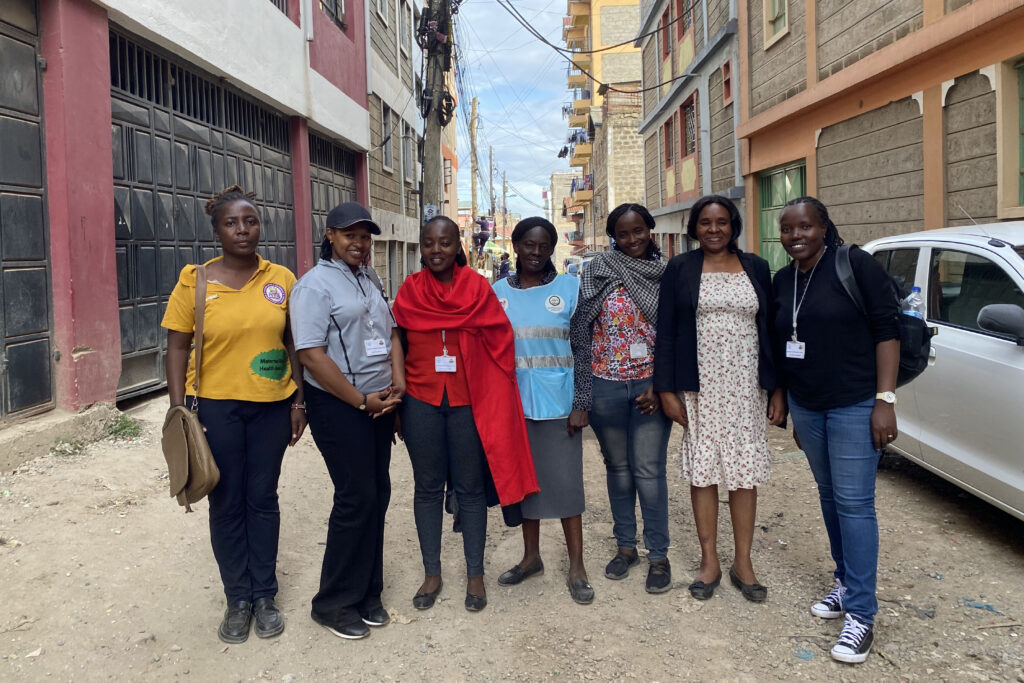
For Grace and Celestina, one of the key learnings was that families face different realities, different constraints and different opportunities. Understanding those realities is essential if nutrition recommendations are to be practical and effective.
Takeaways: what can we learn?
The question is no longer whether commercial foods are part of children’s diets—they are. Rather, it is how can we ensure that the commercial foods that are part of young children’s diets support, rather than undermine, healthy growth and development.
For policymakers, private sector, health professionals and other stakeholders working to improve child nutrition in Kenya, Grace and Celestina want you to know:
- Caregivers need personalised advice
Both researchers emphasised that caregivers need practical, locally relevant nutrition advice tailored to their circumstances. As commercial complementary foods become more widely available, strengthening both caregiver education and the capacity of health workers will be essential to help families make informed feeding decisions.
2. Clear labelling is essential for informed choices
The study also highlighted concerns about products that may not align with infant feeding recommendations. Researchers noted confusion around age suitability, sugar content and product labelling. Some products were marketed for infants younger than the recommended age for complementary feeding, while labels did not always provide clear and complete information for caregivers. Greater oversight and clearer labelling could help caregivers make informed choices when commercial foods are available.
3. Context-specific solutions are needed
What works in Nairobi may not work in Makueni.
The research reinforced the importance of designing policies and interventions that respond to local realities, including differences in food availability, affordability and access. Commercial products are also more likely to resonate with families when they reflect local foods, ingredients and preferences.
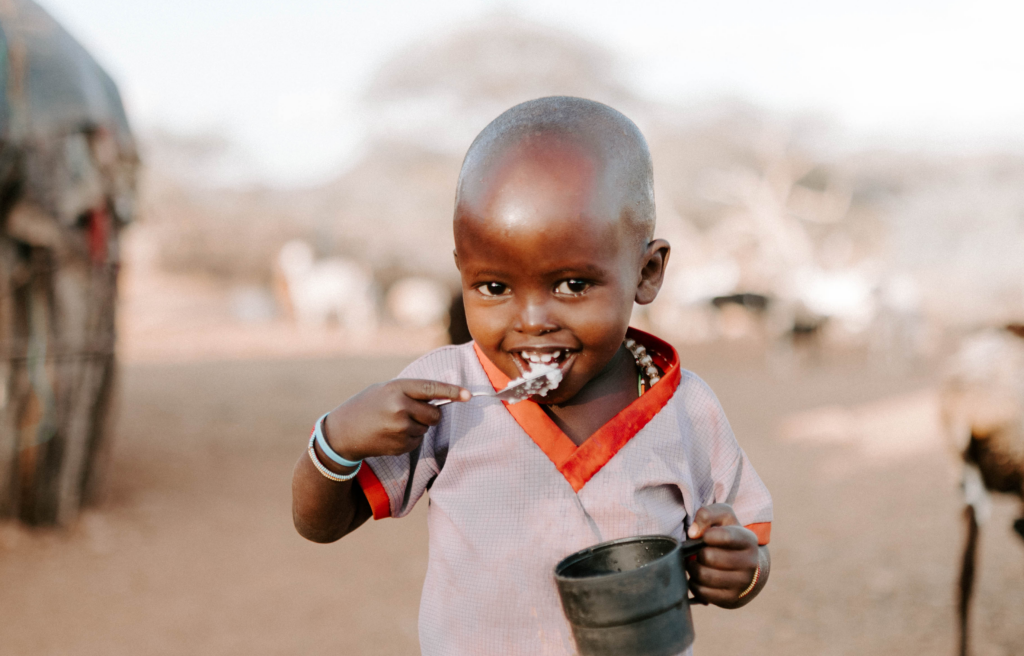
By the end of the interview, Grace and Celestina were no longer talking about commercial foods. Instead, they offered stories of the mothers trying to provide nutritious meals with limited resources, families balancing work and childcare, and parents navigating difficult choices in rapidly changing food environments.
For Celestina, visiting households was a reminder of how much access to information matters, and how unevenly nutrition knowledge and support are distributed.
For Grace, travelling to remote communities highlighted that feeding decisions are shaped not only by what caregivers know, but also by what they can realistically access and afford.
Despite the challenges, both researchers remain optimistic. They see encouraging signs of progress in child nutrition and complementary feeding practices in Kenya, but believe that nutrition guidance, policies and regulations must evolve to help families navigate new choices with confidence.
As Celestina put it:
“We are moving in the right direction, but so much has yet to be done.”
Research can tell us what children eat. Listening to caregivers helps us understand the realities behind those choices. Together, these insights remind us that improving child nutrition is not simply about changing individual behaviours. It is about creating food environments where healthy choices are accessible, affordable and realistic for every family across Kenya.
We are grateful for the opportunity to learn more about the food environment in Kenya, context and insights from the data collection and research through your eyes, Grace and Celestina. Our sincere thanks. To explore the findings of the Healthy Start Assessment and learn more about the role of commercial complementary foods in young children’s diets, click here.